
Equipment financing tied to what the equipment earns.
Equipment financing covers equipment and facility purchases, with capital tied to the operating return the equipment creates. Payments follow a schedule, so you can plan around them.
Soft credit pull to apply.†
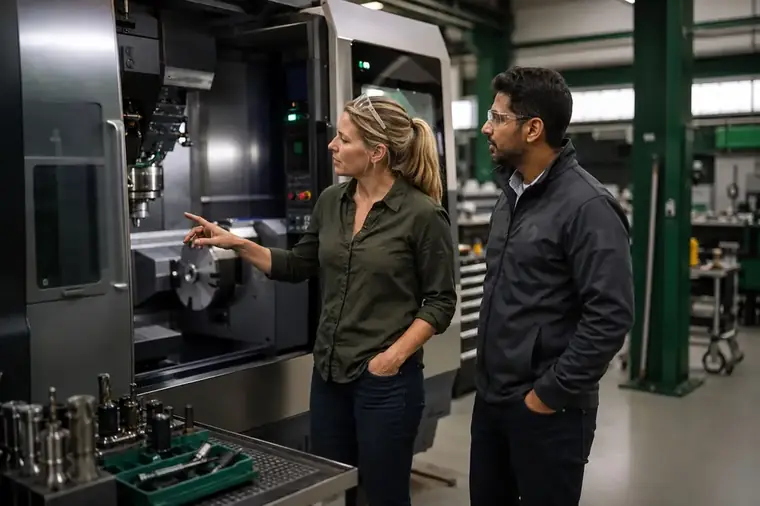
Who it fits. Who it doesn’t.
A plain read on when equipment financing makes sense, and when another option is the better call.
A good fit when
- You are buying a specific piece of equipment or upgrading a facility.
- You can show how the equipment adds revenue, capacity, or savings.
- You want a set payment schedule rather than payments tied to daily sales.
- You have a vendor quote or invoice, or can get one.
Probably not the right fit when
- The need is payroll, inventory, or a short cash-flow gap. Working capital or a line of credit usually fits better.
- You need the money before a vendor or equipment has been chosen.
- The equipment will not produce a return you can point to.
- You already carry stacked short-term positions. Consolidation may be the first conversation.
How it works with Captain Capital.
Apply securely in minutes.
Tell us about the business and the equipment, then connect bank statements or upload documents.
We review the file and the asset.
We look at revenue, cash flow, existing obligations, and the equipment itself, then compare the structures that fit.
Compare the structure, then decide.
You see proceeds, total obligation, payment schedule, and duration before you sign.
Close and pay the vendor.
After final approval and executed documents, funds are released under the terms of the agreement.
Soft credit pull to apply.†
What to prepare.
Start with what every file needs. Businesses operating at least 6 months can apply.
Business bank statements
The last 4 months of business bank statements.
Owner identification
Identification for the business owner.
Voided business check
A voided check from the business bank account.
Current debt schedule
Any existing advances, loans, or lines and their balances. Fill it out online →
Equipment quote or invoice
The vendor quote or invoice for what you are buying, with make, model, and price.
Tax returns and financials
Larger requests may also require tax returns, interim financials, or collateral information.
Lenders may ask for more. The final list depends on the request size, the provider, and the program.

Put the machine to work, not your cash reserve.
A set payment schedule, tied to what the equipment produces. Keep working capital for the work.
Apply nowEquipment financing vs. merchant cash advance.
| Equipment financing | Merchant cash advance | |
|---|---|---|
| What it is | Financing for a specific equipment or facility purchase. | A purchase of a portion of your future receivables. Not a loan. |
| Use of funds | The equipment or facility named in the file. | Inventory, payroll, marketing, or uneven cash-flow cycles. |
| Payments | A set schedule over the term. | Remitted from receivables, often daily or weekly. |
| Timing | More paperwork and review, including the equipment details. | Some working-capital decisions can be made within hours.* |
| Watch for | Down payment, total cost over the term, and what happens at the end. | A factor rate is not an APR. Compare total obligation and payment pressure. |
Comparison is general and educational. Actual structure, cost, and timing depend on underwriting, verification, final documents, and provider approval. Commercial financing may carry significant cost and risk. Read: Factor rate vs. true cash-flow cost →
Keep comparing.
Related funding options
Term loansLonger terms for planned, durable investments.SBA loansGovernment-backed bank loans, when time allows.Business line of creditRevolving access for repeatable, short-duration needs.Construction fundingCapital for contractors and construction firms.All funding optionsSix families of funding, side by side.See whether equipment financing fits your file.
Two minutes, a soft credit pull, and a real person on your file. Funding from $10K–$30M.
Soft credit pull to apply.†